Oral Appliances For Sleep Apnea  service image
Oral Appliances For Sleep Apnea

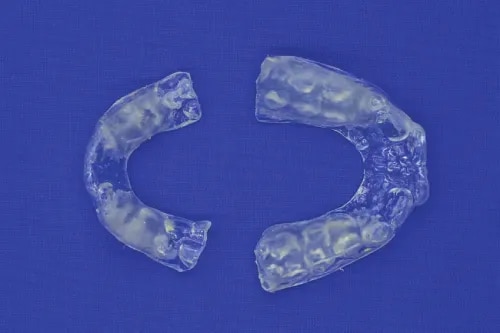
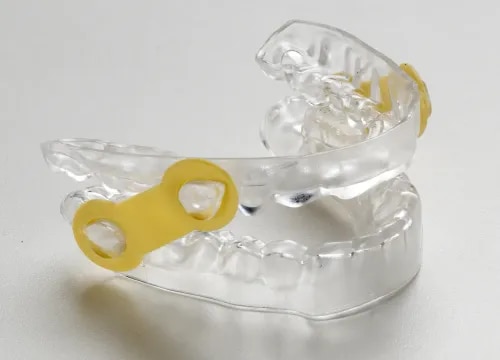
We at Lakshmi dental care , Porur provide oral devices that help to improve air flow in individuals who have mild to moderate snoring issues. Mandibular advancement devices Mandibular advancement devices (MADs) are the most common oral appliance for treating OSA. They’re also called mandibular advancement splints, mandibular advancement appliances or mandibular repositioning appliances. MADs work by pulling your lower jaw (mandible) forward. Moving your jaw forward also pulls your tongue forward, creating more space for airflow in the back of your throat. MADs fit over your teeth. Most come in two parts, one for your top teeth and one for your bottom. Screws, hinges and adapted rubber bands connect the top and bottom, allowing you to pull the lower part of the device that controls your jaw forward. Others have independent interchangeable arches. At Lakshmi dental care , Porur we predominantly use mandibular advancement devices . How does oral appliance therapy work to treat obstructive sleep apnea? Oral appliances pull the base of your tongue forward, creating more space in the back of your throat. Some types latch onto your tongue and pull it forward. Most pull your lower jaw forward while your tongue remains in place. You put the device in before you go to sleep and wear it throughout the night. You remove it in the morning when you wake up. Who are oral appliances for OSA best for? Oral appliances work best for people with mild to moderate OSA who can’t use a CPAP (continuous positive airway pressure) machine. A CPAP is a machine that attaches to your airway through a tube and mask you wear at night that sends pressurized air through your airways, keeping them open. While CPAP is the best treatment for improving airflow for people with sleep apnea, many find it challenging to use night after night. Over time, they stop. Oral appliance therapy isn’t as effective as CPAP, but it does improve symptoms in some people. Other people use oral appliances and CPAP together. For example, you may use a CPAP machine at home but an oral appliance when traveling. You may use an oral appliance with a CPAP machine to decrease the amount of pressurized air you’re getting from the CPap. How much time does it take to adjust ? It takes about two to four weeks to adjust. It may feel odd at first to have a mouthpiece when you sleep. Try wearing it for only a few hours at first and gradually extending how long you have it in. For most people who use them, wearing an oral appliance eventually becomes part of their nighttime routine. Benefits of oral appliance therapy for obstructive sleep apnea (OSA) they an improve symptoms of OSA, including daytime sleepiness and concentration issues. .Many experience deeper sleep with fewer disruptions. . They may reduce or eliminate snoring. Offers another option for people who can’t use a CPAP. Difference between online available device vs the one we fabricate : The most effective oral appliances are custom-made to fit your mouth. You can buy oral appliances online which are not customized to your teeth or jaw. These types may provide some benefits, but research shows that custom-made by a dentist offer better results. also these devices made by us or any dental practice is more durable than the ready made universal fit types that are available online .

Socket Preservation After Teeth Removal service image
Socket Preservation After Teeth Removal

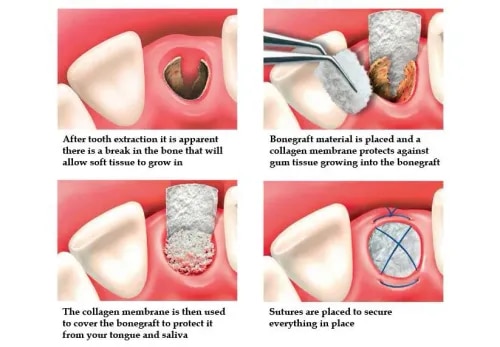
# best dental clinic in Porur for socket preservation immediately after teeth removal at Lakshmi dental care,Porur, Chennai Dr. Subramoniam recommends this procedure when patient prefers implant supported replacement instead of a dental bridge. After the teeth is removed ,bone graft material and collagen membrane are placed into the socket . This procedure helps a lot after 3 months during the time of actual placement of implants. Within 1 year of extraction, an average of 50% of the ridge width is reduced. The average amount of loss was between 5-7 mm, and 2/3 of this reduction occurred within the first 3 months and showed similar patterns in all areas of the oral cavity.  To minimize bone loss after teeth removal we perform a technique called  socket preservation  at Lakshmi dental care and Implant center  , Porur where bone graft materials is placed into the socket  at the time of extraction or teeth removal.  This placement of bone graft reduces   minimize ridge atrophy or bone loss after tooth extraction. In addition to this there are several advantages have been suggested. It  reduces the need for additional bone graft, facilitates the implant procedure, and improves marginal bone loss and survival/success rate of implants.   Also natural bone healing is insufficient in extraction sockets with periodontal or gum  inflammatory disease because soft tissue invasion into the socket impedes bone healing even long after the procedure. This placement of bone graft after removing teeth reduces bone loss and helps us during placement of implants later . Who requires this procedure ? Socket preservation  is not required in all extraction cases, but We at Lakshmi dental care , Porur select this procedure when there is an  1) Aesthetic concern 2) Severe destruction of residual bone walls after tooth extraction 3) Delayed implant treatment 2. Socket preservation also reduces the necessity for additional bone grafting at time of implant placement that is done after 3 months.

Scaling And Polishing  service image
Scaling And Polishing

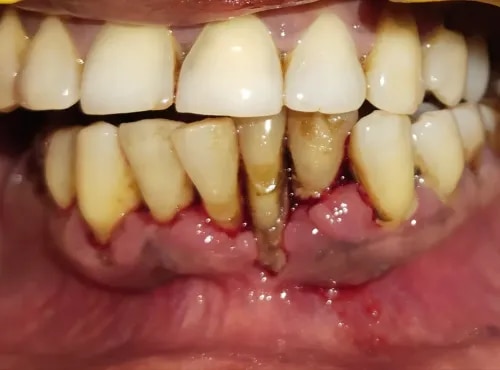
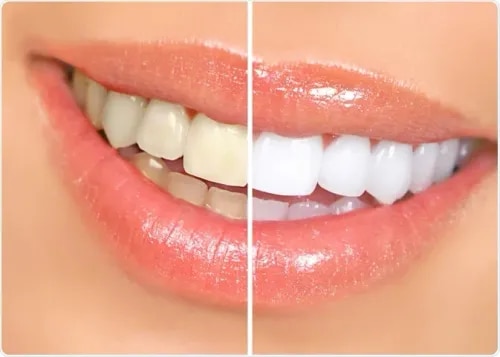
Why do you need to do scaling & polishing? Dental cleanings also called as scaling involve removing plaque (a soft, sticky layer of bacteria, food & saliva) and hard tartar (calculus) deposits that have built up on the teeth over time. Your teeth are continually bathed in saliva which contains calcium and other substances which help strengthen and protect your teeth. While this is definitely beneficial, it, unfortunately, means that we tend to get a build-up of calcium deposits on the teeth. This chalky white substance will build up over time, almost like the limescale deposits . Usually, it is tooth coloured and can easily be mistaken as part of the teeth, but it can also vary from brown to black in colour. If this tartar is allowed to build up on the teeth, it will, unfortunately, provide the right conditions for bacteria to thrive beside the gums. The purpose of cleaning and polishing is basically to leave the surfaces of the teeth beautifully clean and smooth so that the germs are unable to stick to them and so provide you a better chance of keeping the teeth clean during your regular daily hygiene regime. We at Lakshmi dental care, Porur provide scaling : To remove stains caused by food (coffee/tea) or tobacco. To remove tartar or calculus – this helps prevent gum diseases which are the main cause of gum recession, loose teeth and subsequently, tooth loss. To allow screening for the oral disease like decay and any cavities. What are the procedures  which are involved in scaling & polishing at Lakshmi dental care , Porur, Chennai ? Scaling We at Lakshmi dental care use specialized instruments like EMS ultrasonic system to gently remove plaque and calculus deposits without harming your teeth. The ultrasonic scaler uses vibrations to loosen hardened tartar that sticks to the teeth/in between teeth. Water spray is also used to wash away the debris. There may be a high pitch buzzing sound heard from the scaler during the scaling process. Polishing Polishing is usually carried out after scaling to remove stains and make your teeth feel smooth and shiny. Polishing is done with a soft rubber cup that spins. Prophylaxis paste – a special toothpaste-like material is scooped up into the cup and spun around on the teeth. Prophyjet polishing uses a pressurized spray of air and water with sodium hydrogen carbonate powder to remove stains, plaque and soft debris from your teeth. It may taste slightly salty. Does it hurt to have your teeth whitening? Most people find that cleanings are painless, and find the sensations described above do not cause discomfort. Many of our patients tell us they actually enjoy cleanings and love the beautifully smooth feel of their teeth afterwards! If the experience is less pleasant, this can be due to a variety of factors: exposed dentine or root surface (not dangerous, but can make cleanings a little sensitive), or infected gum tissues.

Dental Braces  service image
Dental Braces

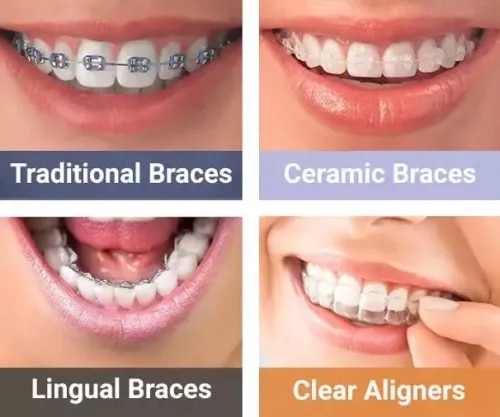
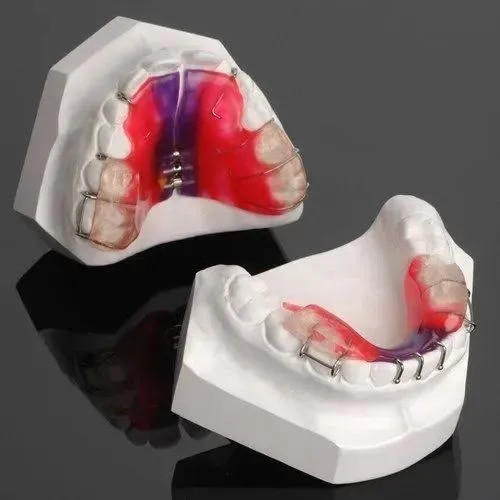
Straightening Smiles with Confidence A beautiful smile can be a game-changer, boosting self-confidence and leaving a lasting impression. However, not everyone is blessed with naturally straight teeth. Thankfully, dental braces offer an effective solution for correcting misalignments and achieving a picture-perfect smile. In this blog, we’ll explore the various aspects of dental braces treatment, including the procedure, cost in India, recovery, and potential side effects. Dental Braces Treatment Procedure Dental braces treatment involves a comprehensive process that requires careful planning and expert guidance from a qualified orthodontist. Here’s a step-by-step overview of the procedure: Consultation and Assessment: The journey to a flawless smile begins with a consultation with an orthodontist. During this initial visit, the orthodontist will examine your teeth, jaw alignment, and facial structure to determine the most suitable treatment plan. X-rays and Impressions: X-rays and impressions of your teeth will be taken to create a detailed 3D model. This helps the orthodontist analyze your dental condition accurately and develop a personalized treatment approach. Braces Selection: Based on the assessment, our orthodontist will recommend the braces that best address your dental issues. Traditional metal braces, ceramic braces, lingual braces, and clear aligners are popular options. Braces Installation: Once you’ve selected the type of braces, the orthodontist will carefully bond them to your teeth using dental cement. This process might take a couple of hours but is painless and straightforward. Regular Adjustments: You’ll need periodic adjustments over time to tighten the braces and guide your teeth into their proper positions. These adjustments ensure steady progress towards a straighter smile. Retainers: After removing your braces, you must wear retainers to prevent teeth from shifting back to their original positions. Retainers help maintain the new alignment and are essential to the treatment. Dental Braces Treatment Cost at best dental clinic in Porur , Lakshmi dental care at Chennai Metal braces - total cost 35,000/- ( with a down payment of 15000/- followed by 1000/ per month to pay the balance 25000/-). This includes your retainers that are usually worn for a couple of years . ceramic braces - ranging from 45 to 55000/- inclusive of retainers. self ligating braces - ranging from 68000/- to 88000/- depending on the brand used. if you are looking for aligners cost in Porur, it usually starts around 45000/- .

Replacement - Crown And Bridges  service image
Replacement - Crown And Bridges

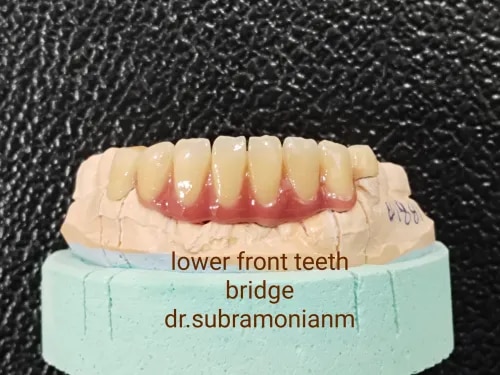
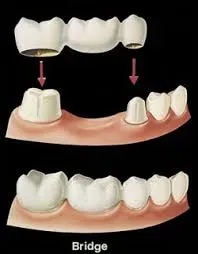
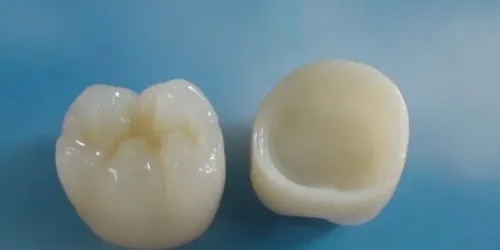
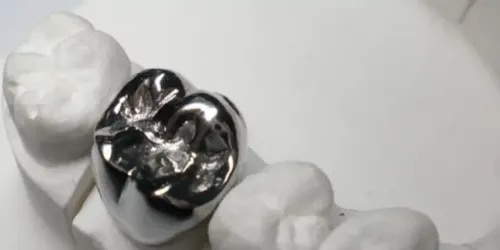
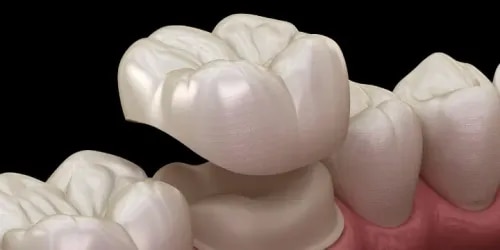
Dental bridges replace missing teeth. They can restore chewing function, enhance your appearance and improve your oral health. A dental bridge consists of crowns (that fit over your natural teeth on either side of the space) and artificial teeth (that “bridge the gap” in your smile). We at Lakshmi dental care provide 5 to 8 years warranty for dental bridges at Porur , Chennai We charge ten to fifteen thousand for a PFM bridge or upto 22,000 for a zirconia for a three unit bridge . for further enquiries kindly contact Lakshmi dental care at Chennai Porur , the best dental clinic for fixed permanent teeth replaceme at affordable cost. Bridges are made of : Different Types of Crowns Ceramic Crowns made of zirconia Porcelain-fused-to-metal Crowns Gold Alloy Crowns Base Metal Alloy Crowns Is a dental bridge painful? Getting a dental bridge shouldn’t hurt. Your dentist will give you local anesthesia to numb your gums before beginning your procedure. How do Bridges Work? A bridge may be recommended if you're missing one or more teeth. Gaps left by missing teeth eventually cause the remaining teeth to rotate or shift into the empty spaces, resulting in a bad bite. The imbalance caused by missing teeth can also lead to gum disease and temporomandibular joint (TMJ) disorders. Bridges are commonly used to replace one or more missing teeth. They span the space where the teeth are missing. Bridges are cemented to the natural teeth or implants surrounding the empty space. These teeth, called abutments, serve as anchors for the bridge. A replacement tooth, called a pontic, is attached to the crowns that cover the abutments. As with crowns, you have a choice of materials for bridges. Your dentist can help you decide which to use, based on the location of the missing tooth (or teeth), its function, aesthetic considerations and cost. Porcelain or ceramic bridges can be matched to the color of your natural teeth. How are Crowns and Bridges Made? Before either a crown or a bridge can be made, the tooth (or teeth) must be reduced in size so that the crown or bridge will fit over it properly. After reducing the tooth/teeth, your dentist will take an impression to provide an exact mold for the crown or bridge. If porcelain is to be used, your dentist will determine the correct shade for the crown or bridge to match the color of your existing teeth. Using this impression, a dental lab then makes your crown or bridge, in the material your dentist specifies. A temporary crown or bridge will be put in place to cover the prepared tooth while the permanent crown or bridge is being made. When the permanent crown or bridge is ready, the temporary crown or bridge is removed, and the new crown or bridge is cemented over your prepared tooth or teeth What are the pros and cons of a dental bridge? Dental bridges offer many benefits. But there are some drawbacks, too: Advantages of dental bridges Dental bridges can: Offer a natural-looking solution for tooth loss. Restore chewing and speech function (missing teeth can make it difficult to eat or speak properly). Prevent neighboring teeth from shifting into the gap left behind by missing teeth. Disadvantages of dental bridges Dental bridges also have some drawbacks: If decay or trauma results in damage to your abutment teeth, it can weaken your dental bridge. If your abutment teeth aren’t strong enough to support your bridge, they can fracture. If you don’t properly clean the bridge and underlying gum tissue, plaque and bacteria can cause gum inflammation or cavities. How long does a dental bridge last? On average, the lifespan of a dental bridge is five to 15 years. Some can last even longer with proper care and maintenance.
Contact Us

Live Chat

Connect over WhatsApp to resolve your queries realtime.